
Founders who bridge physical and digital economies may build the next generation of unicorns — by Anthony Milewski for The Entrepreneur
Key Takeaways
- Commodity supply gaps are creating overlooked, high-growth opportunities beyond traditional software startups.
- Electrification and AI infrastructure are driving structural demand for critical minerals worldwide.
For much of the past two decades, the most valuable startups in the world were built on software. Founders created platforms that scaled quickly, required relatively little physical infrastructure and relied primarily on code rather than raw materials. From social media to cloud computing, the formula for building a large company is increasingly centered on digital products.
But a subtle shift is underway.
As the global economy becomes more electrified, more automated and more dependent on physical infrastructure, the next wave of high-growth startups may look very different.
In fact, some of the most significant entrepreneurial opportunities ahead may not be in software at all. They may be in commodities.
The physical economy is back in focus
For years, entrepreneurs were encouraged to avoid capital-intensive industries. The conventional wisdom was simple: software businesses scale faster and require less upfront investment than companies dealing with physical resources.
That logic helped fuel one of the most remarkable periods of digital innovation in history. But it also had an unintended consequence. While startups flooded into apps, marketplaces and social platforms, far fewer entrepreneurs focused on the physical materials that underpin modern economies.
Those materials are now back in the spotlight.
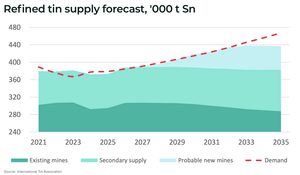
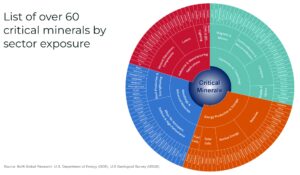
The global push toward electrification, renewable energy, artificial intelligence and advanced manufacturing is driving enormous demand for commodities such as copper, lithium, nickel and rare earth elements. These resources power everything from electric vehicles and battery storage systems to data centers and transmission infrastructure.
In other words, the technologies shaping the future depend on a massive foundation of physical materials.
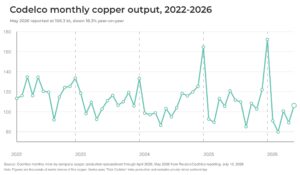
And the supply of those materials is far from guaranteed.