
Subscribe for Investment Insights. Stay Ahead.
Investment market and industry insights delivered to you in real-time.
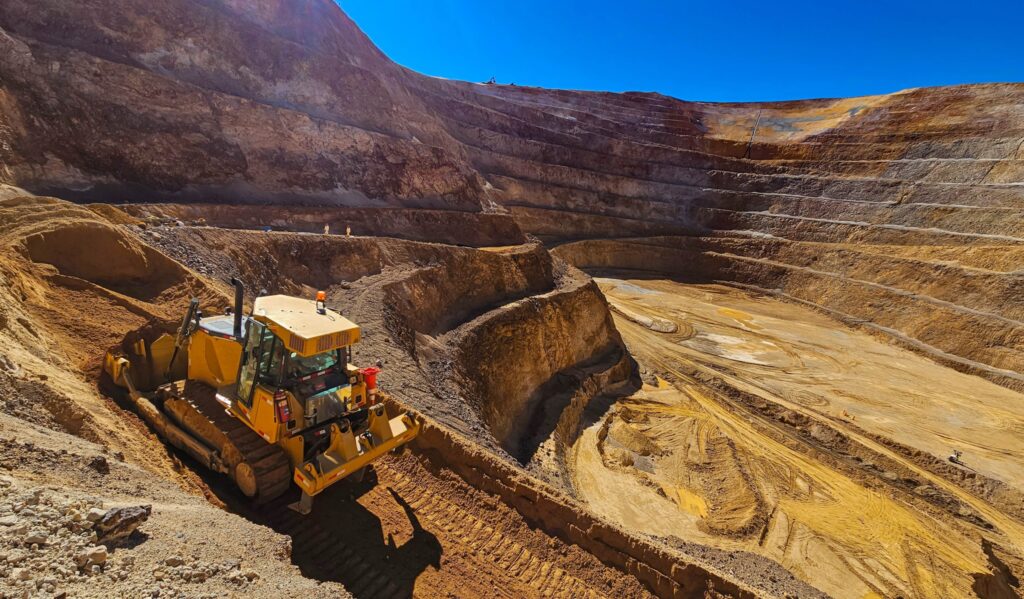
Global mining investment will be dominated by three main drivers in 2026: geopolitics, the energy transition, cautious capital investment, according to the latest report by Wood Mackenzie.
Specific events in particular that will set the tone of trade and growth (across tariffs, fiscal support and commodity demand) will be:
- China’s 15th Five-Year-Plan in H1 2026
- US mid-term elections in H2 2026
Despite pockets of demand strength, mining companies remain wary of committing capital amid policy shifts, trade friction, and uneven growth prospects. The risk backdrop will reinforce a preference for capital returns and M&A over greenfield builds.
What happens to metals demand in 2026?
Demand growth persists, but unevenly.
Copper stands out, with ongoing supply disruptions are expected to support copper prices, while gold and silver benefit from safe-haven flows and central bank buying amid macro uncertainty.
The energy transition continues despite political pushback, driven by electrification, renewable power deployment, and data-center power needs. However, Wood Mackenzie expects oversupply in many minerals to persist through 2026, keeping many prices capped.
Wildcards
The report highlights a number of “wildcards” that may create volatility in markets, including:
- AI efficiency gains creating productivity improvements could either lift material demand via scale effects (Jevons paradox) or dampen consumption via thrifting and substitution
- Battery materials face a similar fork, with 2026 likely clarifying whether solid-state batteries move closer to commercial reality
- Peace in Ukraine would likely lift commodity sanctions across the board from Russia
- State-led investment across commodity value chains would support majors finally greenlighting large-scale greenfield projects that have long been waiting in the wings
Growth, but with guardrails
Even where prices justify development, final investment decisions remain scarce. Resource nationalism, partner scrutiny by host governments, and trade barriers delay supply responses. Where capital does flow, it is more likely from smaller, agile players than majors, reinforcing a fragmented growth path .
According to Wood Mackenzie, for investors and policymakers, 2026 looks less like a capex supercycle and more like a selective opportunity set. Geopolitics, discipline, and disruption — not demand alone — will decide returns.