What is copper?
Copper is a reddish-orange metal, chemical symbol Cu and atomic number 29, valued for its electrical and thermal conductivity, corrosion resistance and ability to be shaped into wires, pipes and components.
It is best known for its use in electrical wiring, power grids, buildings, electronics, motors and industrial machinery. Copper is also essential to electric vehicles, renewable energy systems, data centres and the expansion of electricity infrastructure.
That is why copper matters: almost every form of electrification requires it, while new mines are costly, technically complex and slow to develop.
Why copper matters
Electricity grids and electrification
Copper is one of the best electrical conductors among commonly used metals. It can carry electricity efficiently, withstand heat and be drawn into thin wires without breaking.
These properties make copper essential across the electricity system, including:
- power generation
- transmission and distribution networks
- underground and subsea cables
- transformers and substations
- building wiring
- charging infrastructure
- electrical motors
Electricity networks are already one of the largest sources of copper demand. Grid expansion, modernisation and improved connections between power generation and consumers will remain central to the long-term copper market.
Aluminium can substitute for copper in some applications, particularly overhead power lines where weight and cost are priorities. Copper is often preferred where space, conductivity, durability or corrosion resistance matters more.
Electric vehicles and transport
Electric vehicles generally require more copper than vehicles powered only by internal-combustion engines.
Copper is used throughout an EV’s:
- electric motor
- battery pack
- inverter
- wiring harness
- power electronics
- thermal-management system
- charging connection
Additional copper is required outside the vehicle for charging stations and the electricity networks that supply them.
Copper also has established uses across conventional vehicles, railways, aircraft and ships. The pace of transport electrification, vehicle design and improvements in material efficiency will all influence future demand.
Renewable energy
Wind, solar and other renewable energy systems require copper to generate, transmit and distribute electricity.
Copper can be found in generator windings, transformers, inverters, cables, control systems and connections to the grid. Offshore wind projects can be particularly copper-intensive because they require large turbines and long subsea cables.
The amount of copper used varies widely according to a project’s size, design, location and distance from the electricity network. For the copper market, renewable generation and grid development should therefore be viewed as connected demand drivers.
Construction and infrastructure
Construction is one of the largest end markets for copper.
Copper wiring is used in residential, commercial and industrial buildings. Copper pipes and fittings are used in plumbing, heating, cooling and refrigeration systems because the metal is durable, corrosion-resistant and easy to join.
Copper is also used in roofing, cladding and architectural features. When exposed to the atmosphere, it develops a protective surface layer known as a patina, which contributes to its longevity.
As buildings become more electrified and incorporate electric heating, cooling, charging and energy-management systems, their electrical requirements can increase.
Electronics, AI and data centres
Copper is fundamental to modern electronics.
Thin copper pathways carry electrical signals across printed circuit boards used in computers, smartphones, appliances, vehicles and industrial equipment. Copper interconnects are also used within semiconductor devices.
Data centres require copper across servers, power-distribution equipment, cooling systems, backup infrastructure and connections to the electricity grid. AI-related growth can therefore affect copper demand both inside computing facilities and through the power infrastructure built to support them.
The amount required will depend on data-centre design, equipment efficiency, power density and the balance between copper, aluminium and fibre-optic systems.
Industrial machinery and manufacturing
Copper is used in motors, generators, heat exchangers, industrial equipment and automated manufacturing systems.
It is also combined with other metals to create alloys with specialised properties. Brass is primarily made from copper and zinc, while bronze traditionally combines copper with tin.
These alloys are used in valves, bearings, gears, marine equipment, musical instruments and a wide range of industrial components.
Why copper supply is strategically sensitive
Copper is mined in many countries, but a significant share of production comes from Latin America. Chile and Peru are major sources of mined copper, while China holds a leading position in smelting, refining and the manufacture of many copper-containing products.
Supply disruptions can arise from:
- declining or variable ore grades
- water and energy constraints
- labour disputes
- permitting delays
- political and fiscal changes
- technical problems at mines or smelters
- environmental and community opposition
- trade restrictions and infrastructure bottlenecks
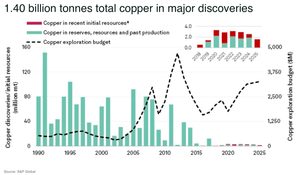
Copper resources are not inherently scarce, but converting a discovery into a producing mine can take many years. Projects require exploration, engineering, financing, environmental assessment, permits, infrastructure and agreements with local communities.
Lower ore grades can also increase the amount of rock, water and energy required to produce each tonne of copper. This can raise costs and make environmental performance more important to project development.
How is copper produced?
Most copper comes from sulphide or oxide deposits.
Sulphide ores are generally mined, crushed and concentrated before being smelted and refined into high-purity copper cathode. Some oxide ores are processed using leaching and electrowinning.
The refined metal is then manufactured into products such as wire rod, cable, tube, sheet and alloy components.
The supply chain therefore extends beyond mining. Concentrating, smelting, refining, fabrication and transport capacity can all influence the availability and price of usable copper.
What drives copper demand?
The main sources of copper demand include:
- Electricity networks: used in cables, transformers, substations and grid connections
- Construction: used in wiring, plumbing, heating, cooling and architectural materials
- Transport: used in electric and conventional vehicles, charging systems, railways, aircraft and ships
- Renewable energy: used in wind turbines, solar installations and associated grid infrastructure
- Electronics: used in circuit boards, semiconductors, consumer devices and telecommunications
- Data centres: used in computing equipment, power distribution, cooling and grid connections
- Industrial machinery: used in motors, generators, heat exchangers and manufacturing equipment
- Consumer products: used in appliances, air-conditioning systems and other electrical goods
Recycling and the circular copper market
Copper can be recycled repeatedly without losing its fundamental properties, making secondary supply an important part of the market.
Recycled copper comes from two broad sources:
- manufacturing scrap generated while products are being made
- end-of-life material recovered from buildings, cables, vehicles, machinery and electronics
Recycling typically requires less energy than producing copper from newly mined ore. It can reduce waste and ease pressure on mines, but it cannot eliminate the need for primary production while total copper demand is growing.
Collection rates, scrap quality, sorting systems and access to recycling capacity determine how much material returns to the market. Copper embedded in long-lived assets such as buildings and power grids may not become available as scrap for decades.
What to watch in the copper market
Copper sits at the intersection of electrification, infrastructure, economic growth and supply-chain security.
Key trends to watch include:
- Grid investment: expanding and modernising electricity networks is a major source of copper demand
- Electric vehicles: adoption rates, vehicle size and engineering choices affect copper requirements
- Renewable energy: wind and solar deployment creates demand both within projects and across the grid
- AI and data centres: computing growth can increase demand for electrical equipment and power infrastructure
- Chinese demand: activity in construction, manufacturing, refining and clean-energy industries can influence the global market
- Mine development: permitting, financing and construction timelines determine how quickly new supply can respond
- Ore grades and costs: lower-quality deposits may require more capital, energy and processing
- Recycling: stronger collection and processing systems can expand secondary supply
- Substitution and efficiency: aluminium and improved product design may reduce copper use in selected applications
- Government policy: trade rules, taxes, environmental standards and resource nationalism can reshape supply and investment
The strategic takeaway
Copper is an electrification story, but it is also a construction, manufacturing and economic-growth story.
Unlike some specialist critical minerals, copper already has a large and diversified market. This scale means even moderate percentage growth can require substantial additional volumes of metal.
For investors, manufacturers and policymakers, the key question is not whether copper will remain essential. It is whether mining, refining and recycling capacity can expand quickly enough to meet demand from both established industries and the increasingly electrified global economy.
———————–
What is copper used for?
Copper is used in electrical wiring, power grids, buildings, plumbing, electronics, electric vehicles, renewable energy systems, data centres, industrial machinery and consumer products.
Why is copper important for electrification?
Copper conducts electricity efficiently, resists corrosion and can be formed into wires and components. These properties make it essential for electricity generation, transmission, distribution and end-use equipment.
Is copper a critical mineral?
Copper is treated as a critical or strategic material in a growing number of jurisdictions because it is essential to electricity networks, transport, defence, construction and manufacturing. Formal classifications vary between countries and can change over time.
Can copper be recycled?
Yes. Copper can be recycled repeatedly without losing its essential properties. Recycled material is an important source of supply, although primary mining remains necessary while overall demand continues to grow.
What affects copper prices?
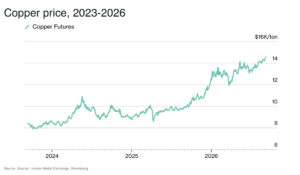
Copper prices are influenced by global economic activity, Chinese demand, construction, grid investment, manufacturing, mine production, smelter capacity, inventories, recycling, exchange rates and geopolitical events.