
Australia is considering nationalising Northern Minerals after China-linked shareholders failed to comply with government orders to sell their stakes in the rare-earth developer.
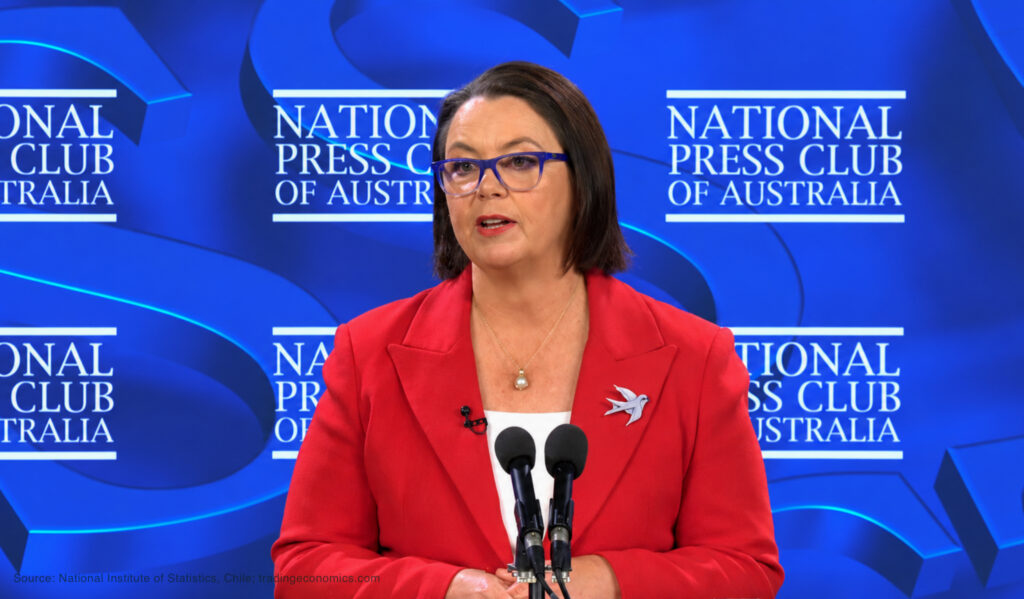
Resources Minister Madeleine King said nationalisation was “one option”, although she stressed that no decision had been made.
“Getting the Foreign Investment Review Board framework and how it looks at these kinds of shareholdings and failure to follow through or pay respect, quite frankly, to the Australian government’s decisions, are a very serious matter we are looking into — and we are very active in knowing what is going on in Northern Minerals” — Madeleine King MP, Minister for Resources and Minister for Northern Australia.
The dispute is delaying Northern Minerals’ Browns Range project in Western Australia, designed to become a major non-Chinese source of dysprosium and terbium rare earths.
Investors defy Australian disposal order
In May, Australia’s Treasurer, Jim Chalmers, ordered six investors to dispose of approx 1.68 billion Northern Minerals shares, representing about 17.6% of the company, by July 2.
Northern Minerals subsequently found that a majority of the shares remained registered to parties covered by the orders. Chalmers then suspended the voting and other shareholder rights attached to shares held by three of the investors.
The confrontation follows several earlier interventions:
- Australia blocked Yuxiao Fund from increasing its Northern Minerals stake in 2023
- and ordered five other foreign investors to sell shares in 2024
- the Treasurer later launched the first Federal Court case brought by an Australian treasurer for an alleged breach of foreign-investment law
Madeline King said the continuing uncertainty was now “holding up” Browns Range mining project.
Browns Range targets 8% of dysprosium-terbium supply
Northern Minerals’ definitive feasibility study outlines an A$592 million project producing an average 17,500 metric tonnes of concentrate annually during steady-state operations.
The company estimates Browns Range could provide approx 8% of current global dysprosium and terbium supply. The two metals improve the heat resistance of permanent magnets used in electric vehicles, wind turbines, robotics, missiles and aerospace systems.
China accounted for 91% of refined magnet rare-earth output and 94% of sintered permanent-magnet production in 2024. Prices outside China for dysprosium and terbium have risen four- to fivefold since Beijing introduced export controls in April 2025.
Funding is the immediate obstacle, with Northern Minerals missing its September target for a final investment decision because financing negotiations remained incomplete.
US EXIM has indicated it could consider up to US$230 million of financing, coordinated with Export Finance Australia, but the expression of interest remains conditional and non-binding.
Why nationalisation matters
Australia generally supports critical-minerals projects through loans, equity investments, tax incentives and offtake agreements. Nationalisation would place ownership — and potentially development risk — directly with the state.
It would be unusual, but not unprecedented with King highlighting how Australia nationalised the Wodgina mine in 1943 to secure tantalite and beryl for Allied armaments. It also supports suggestions the Australian government has been considering price floors in some critical minerals to support projects.
Taking control of Northern Minerals could end the ownership dispute and protect Browns Range for an allied supply chain, but it would not remove the project’s commercial risks.
The strategic signal is nevertheless clear: Australia is beginning to treat some mineral deposits as national-security infrastructure.
Subscribe for Investment Insights. Stay Ahead.
Investment market and industry insights delivered to you in real-time.