What is cobalt?
Cobalt is a hard, silver-grey metal, chemical symbol Co and atomic number 27, used where materials need to withstand extreme heat, retain strength or deliver high energy density.
It is best known for its role in lithium-ion batteries, aerospace superalloys, industrial catalysts, permanent magnets and wear-resistant tools. Although cobalt is a relatively small market compared with metals such as copper or aluminium, its uses sit close to electrification, defence, aviation and advanced manufacturing.
That is why cobalt matters: production and processing are geographically concentrated, most supply is linked to copper or nickel mining, and substitution can be difficult in demanding applications.
Why cobalt matters
Batteries and electrification
Cobalt is used in several rechargeable battery cathodes, including nickel manganese cobalt (NMC), nickel cobalt aluminium (NCA) and lithium cobalt oxide (LCO).
In these chemistries, cobalt can improve energy density, battery life and thermal stability. Cobalt-containing batteries are used in electric vehicles, smartphones, laptops, power tools and other portable electronic devices.
Not all lithium-ion batteries contain cobalt. Lithium iron phosphate (LFP) batteries are cobalt-free and have gained market share, particularly in lower-cost electric vehicles and stationary energy storage. Manufacturers have also reduced the amount of cobalt used in many nickel-based batteries.
Cobalt nevertheless remains important where compact size, high energy density and reliable performance are priorities.
Aerospace and defence
Cobalt-based superalloys retain their strength and resist oxidation at temperatures that would weaken many other materials.
These properties make them useful in aircraft engines, gas turbines, rocket components and other systems exposed to extreme heat, pressure or corrosion.
Cobalt is also used in samarium-cobalt permanent magnets. These magnets can operate at high temperatures and resist corrosion, making them suitable for specialised aerospace, defence and industrial equipment.
For these applications, cobalt is not simply a battery material. It is part of the materials base behind aviation, weapons systems, energy infrastructure and advanced manufacturing.
Industrial and medical uses
Cobalt is used in hard metals, high-speed steels and cutting tools, where it improves strength and resistance to wear. Cobalt catalysts also support petroleum refining, chemical manufacturing and synthetic-fuel production.
Other applications include:
- corrosion- and wear-resistant alloys
- pigments for glass, ceramics and paints
- magnetic recording materials
- prosthetic and dental alloys
- electroplating
- specialist magnets and electronic components
Cobalt-60, a radioactive isotope, is used in cancer treatment, medical-equipment sterilisation and industrial radiography. It is distinct from the stable cobalt used in batteries and alloys.
Why cobalt supply is strategically sensitive
Cobalt supply is vulnerable because mining, refining and battery-material production are concentrated in a limited number of countries.
The Democratic Republic of the Congo is the world’s dominant source of mined cobalt, with much of its production linked to large copper operations. Indonesia has also become an important producer as a result of its expanding nickel industry.
China holds a leading position in cobalt refining and the production of battery chemicals. This means supply-chain risk extends beyond mining to processing, chemical conversion and component manufacturing.
Most cobalt is produced as a by-product of copper or nickel mining. As a result, supply does not always respond directly to higher cobalt prices. A producer’s decision to expand may depend more on the economics of copper or nickel than on demand for cobalt.
This creates a strategic problem for governments and manufacturers: cobalt is a relatively small market, but secure supply matters for batteries, aerospace, defence and industrial resilience.
What drives cobalt demand?
The main sources of cobalt demand include:
- Rechargeable batteries: used in electric vehicles, portable electronics, power tools and other high-performance applications
- Aerospace and defence: used in superalloys, turbine components and specialised permanent magnets
- Industrial materials: used in cutting tools, hard metals and corrosion-resistant alloys
- Catalysts and chemicals: used in petroleum refining, chemical production, pigments and coatings
- Healthcare: used in medical alloys, sterilisation equipment and radiation treatment
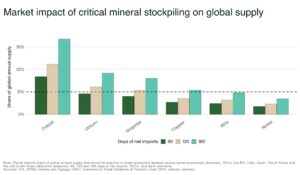
- Strategic stockpiling: governments may seek to secure cobalt because of its critical-mineral status and defence relevance
Responsible sourcing
Cobalt production in the DRC has faced scrutiny over unsafe working conditions, child labour and other human-rights risks, particularly in parts of the artisanal mining sector.
Artisanal mining also supports the livelihoods of many local communities, making blanket exclusion a complicated response. Industry initiatives increasingly focus on traceability, formalisation, independent auditing and improved labour and environmental standards.
Responsible sourcing is therefore an important consideration for miners, refiners, manufacturers, investors and governments.
What to watch in the cobalt market
Cobalt is likely to remain strategically important because it sits at the intersection of electrification, supply-chain security, defence and advanced manufacturing.
Key trends to watch include:
- Battery chemistry: growth in cobalt-free batteries may reduce cobalt intensity, while demand for high-energy-density batteries could continue to support its use
- Copper and nickel production: because cobalt is usually a by-product, developments in these markets can influence supply
- Trade restrictions and government policy: decisions by major producing and processing countries can quickly affect availability and pricing
- Supply-chain diversification: new mining, refining and battery-material projects could reduce dependence on concentrated sources
- Aerospace and defence demand: specialised superalloy and magnet applications can be difficult to substitute
- Recycling: recovering cobalt from batteries, manufacturing scrap and metal alloys could provide a growing secondary source of supply
- Responsible sourcing: traceability and labour standards will continue to influence procurement and investment decisions
The strategic takeaway
Cobalt is a critical-minerals story because its market is relatively small, but its applications are strategic.
For investors, manufacturers and policymakers, the key question is not simply how much cobalt the world needs. It is how battery technology changes, whether new supply can respond, and who controls the mining, refining and processing capacity when supply chains tighten.
———————–
What is cobalt used for?
Cobalt is used in rechargeable batteries, aerospace superalloys, permanent magnets, industrial catalysts, cutting tools, medical alloys, pigments and specialist industrial materials.
Why is cobalt considered a critical mineral?
Cobalt is considered critical because it supports batteries, aerospace, defence and advanced manufacturing, while global mining and processing capacity is highly concentrated.
What affects cobalt prices?
Cobalt prices are influenced by battery demand, changes in battery chemistry, copper and nickel production, mine supply, refining capacity, government policy, trade restrictions, industrial demand and strategic stockpiling.