
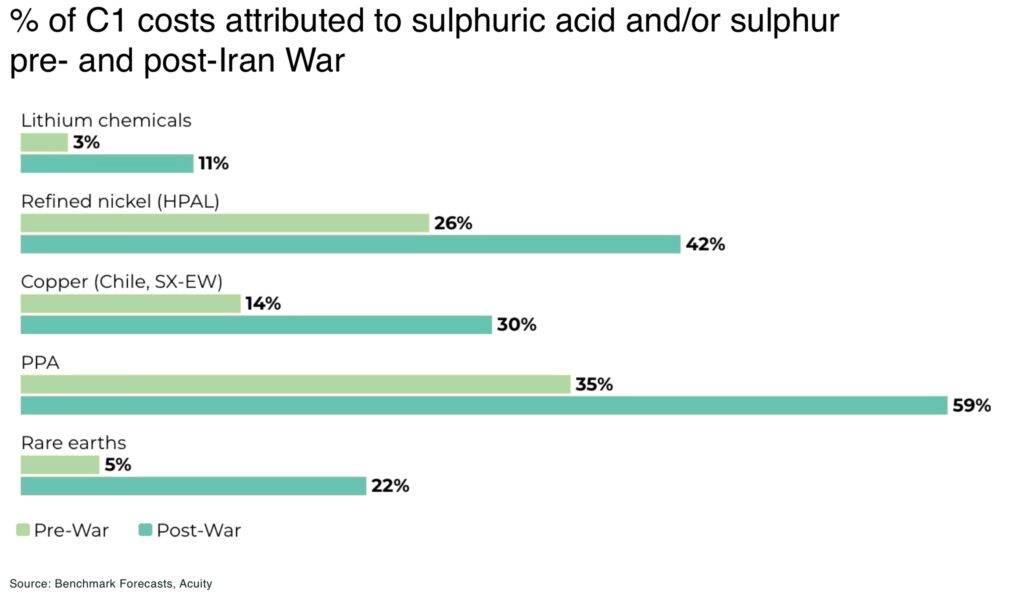
The sulphuric acid crunch is now feeding directly into critical minerals production costs, with sulphur and acid accounting for an average 33% of C1 costs across key supply chains — rising to 42% for HPAL nickel and 30% for Chilean SX-EW copper.
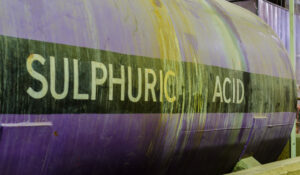
According to the latest data from Benchmark Minerals, between the start of the conflict in the Middle East at the end of February and mid-April, sulphuric acid prices surged by more than double and sulphur prices rose by 50% (albeit with regional variations).
The reason, as per our recent analysis on the Strait of Hormuz as a chokepoint for critical minerals, the Middle East accounts for about 24% of global sulphur production, including 50% of seabourne trade of sulphur — which must be exported via the Strait of Hormuz. And sulphur is the feedstock for sulphuric acid used across nickel, copper and fertilizer supply chains
“Sulphuric acid is a vital feedstock for many critical minerals,” Benchmark raw materials research manager Will Talbot said. “The outstanding risk is that more critical minerals players cut production or even shut down operations entirely.”
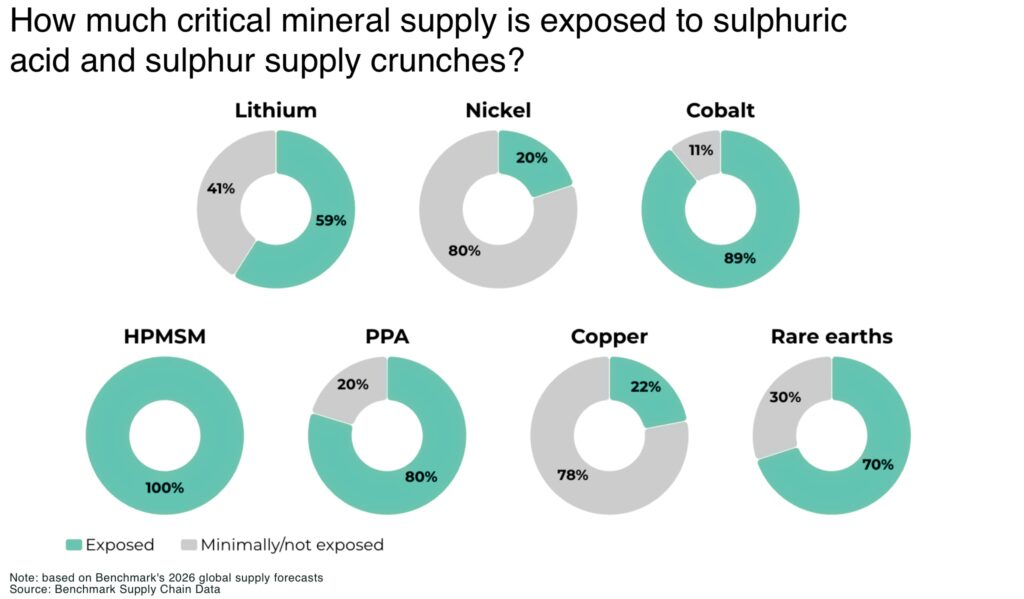
Benchmark estimates more than half of global lithium, cobalt, rare earth and purified phosphoric acid production expected in 2026 is exposed to sulphur and sulphuric acid disruption. High-purity manganese sulphate monohydrate, used in electric vehicle batteries, is fully dependent on sulphuric acid supply.
That matters because sulphuric acid is not optional in large parts of the energy transition supply chain. It is used to leach copper, process nickel through high-pressure acid leaching, convert spodumene into lithium chemicals, produce purified phosphoric acid for LFP batteries and make high-purity manganese sulphate for battery cathodes.
The cost shock is already showing up in lithium. Benchmark warns sulphuric acid previously represented around 3% of the cost of producing lithium chemicals from hard rock sources. It now accounts for 11%, overtaking energy as the largest individual C1 cost component. Sulphuric acid now makes up 22% of total hard-rock lithium conversion costs.
Nickel is also exposed, with sulphur now representing 42% of HPAL nickel costs, up from 26% before the conflict. Indonesia, the world’s largest nickel producer, sourced 76% of its sulphur imports from the Middle East last year. HPAL processing can require more than 10 tonnes of sulphur to produce one tonne of nickel.
Copper is more complicated.
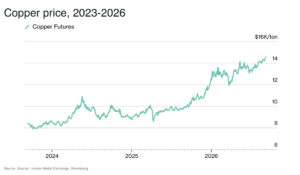
Solvent extraction and electrowinning operations, which account for roughly 22% of global mined copper output, need large volumes of sulphuric acid. That puts acid-leach copper operations under pressure, particularly in regions such as Chile where imported acid is critical to mine supply.
But copper smelters can benefit because sulphuric acid is produced as a by-product of smelting. Higher acid prices can improve smelter economics, even as leach operations face rising costs.
The wider message is clear: critical mineral supply chains are not just constrained by ore bodies, mine permits and capital. They are also constrained by chemicals, reagents, shipping routes and industrial infrastructure.