
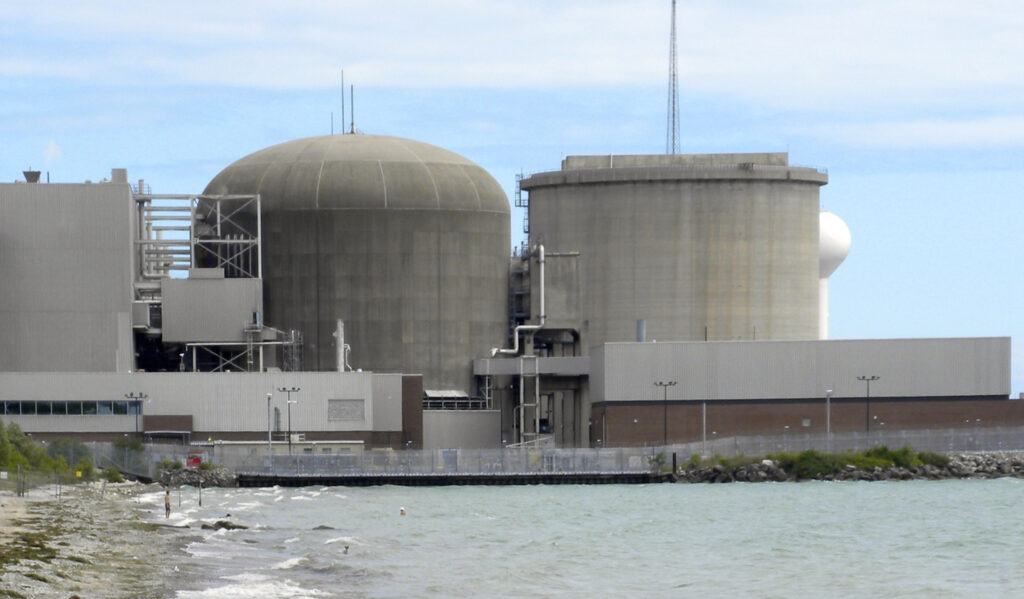
Ontario has started work on the US$19.1 billion refurbishment of four CANDU reactors at the Pickering Nuclear Generating Station — to return up to 2,200 MW of generating capacity (for 2.2 million homes) to service and extend the reactors’ operating lives by as much as 38 years.
Ontario Power Generation plans to remove Units 5 to 8 from service by the end of September. Unit 5 is scheduled to restart in 2031, with all four refurbishments targeted for completion by July 2034.
The distinction is important: site construction has begun, but reactor refurbishment is not yet fully authorised. Execution is scheduled to start in January 2027, subject to final approval from the Canadian Nuclear Safety Commission.
The work includes replacing 1,520 fuel channels and 48 boilers, as well as constructing a 1.5-kilometre deep-water intake.
Ontario has announced approx US$2.14 billion of major contracts. Aecon and AtkinsRéalis-owned Candu Energy have secured a US$1.21 billion contract covering Unit 5 reactor components, while Aecon and Siemens Energy Canada have received a US$927 million turbine-generator contract.
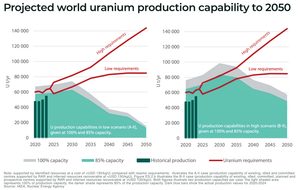
The IAEA projects 641–1,045 GW of nuclear capacity by 2050, raising both its low and high estimates; just as annual uranium mine supply could fall approx 46,000 tonnes below reactor requirements by 2040 under a high-demand scenario, equivalent to 41% of projected needs.
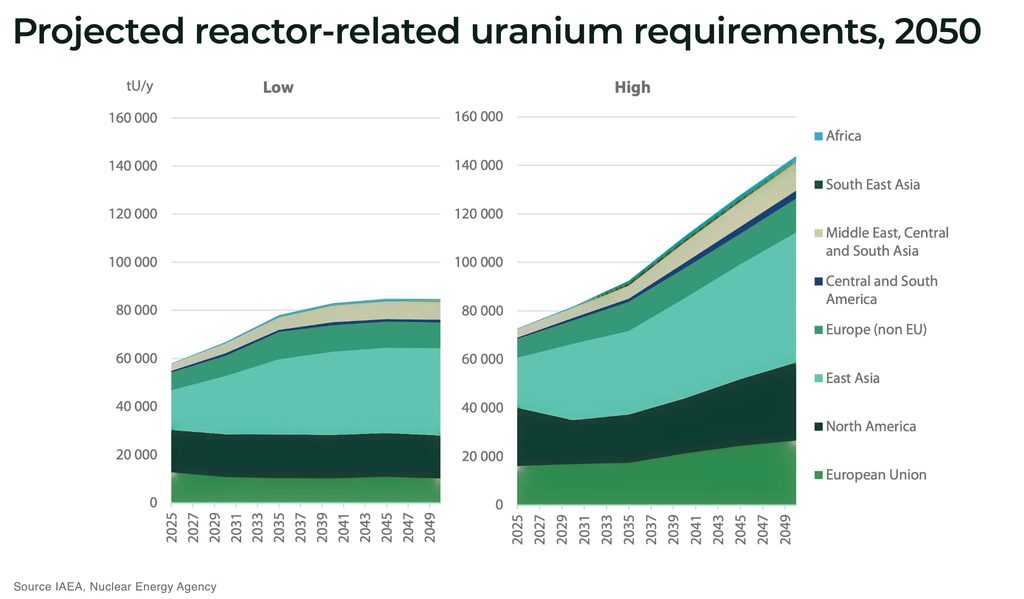
Pickering alone will not create a uranium shortage. Its estimated annual requirement would equal less than 1% of the potential 46,000-metric-tonne mine-supply gap in 2040. But its timing matters: the first units are due back from 2031, when the expanded mine pipeline could begin falling below high-case reactor requirements.
Pickering’s units will remain offline during refurbishment, with capacity returning in stages from 2031.
Once operating, however, the reactors would preserve a large Canadian market for decades. Canada’s CANDU fleet uses natural uranium rather than enriched fuel, connecting the project directly to domestic uranium mining, conversion and fuel fabrication.
Ontario expects electricity demand to increase by as much as 90% by 2050. Pickering shows where the first capital is going: engineering and reactor supply-chain contracts now, followed by uranium demand as generating capacity returns.