
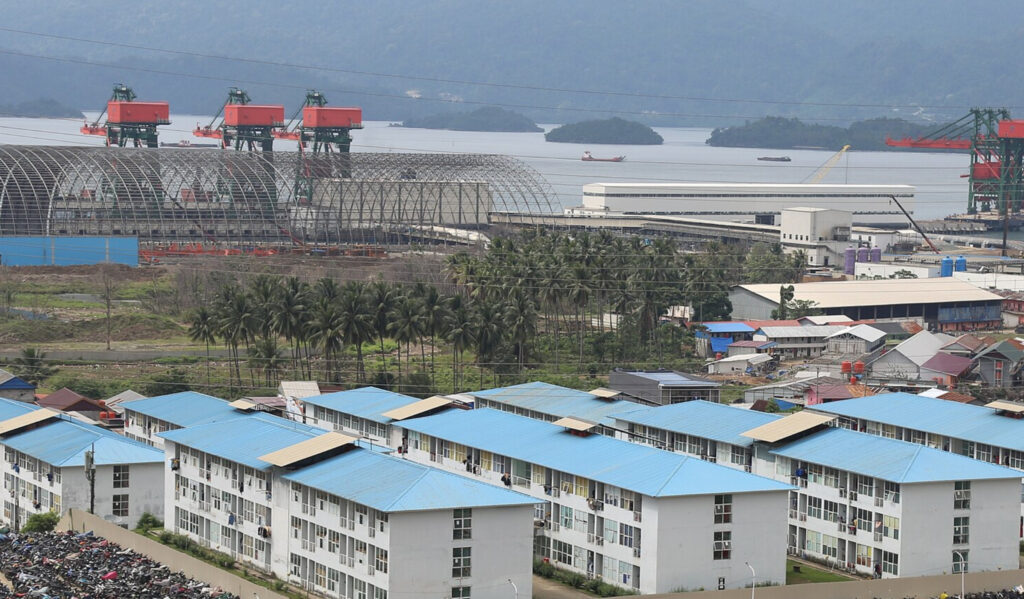
Indonesia’s Morowali nickel hub has instructed operators to reduce nickel pig iron production — potentially affecting approx 100,000 metric tonnes of nickel pig iron — after an El Niño-driven drought restricted water needed to cool equipment and maintain safe operations.
The Indonesia Morowali Industrial Park notified companies over the weekend, Bloomberg reported (note: that is product weight, not 100,000 tonnes of contained nickel.)
Wood Mackenzie estimates that commissioned nickel pig iron capacity at the park stands at approx 4.2 million tonnes a year, or 350,000 tonnes a month.
While the duration of the reductions remains unclear, the latest instruction turns an earlier warning into an operational cut with IMIP warning this month that production could fall by 30% to 40% if water conditions failed to improve.
Nickel pig iron is principally used as a lower-cost feedstock for stainless steel. The reductions therefore affect a different part of the market from the battery-grade nickel products made by Indonesia’s newer high-pressure acid leach plants.
Drought reaches battery nickel
Water shortages have already interrupted the ramp-up of the Excelsior Nickel Cobalt project, an HPAL operation at Morowali in which Nickel Industries holds a 46% interest.
The company said rainfall at its nearby Hengjaya mine totalled less than four millimetres in August, compared with a historical August average of 222 millimetres.
Excelsior had reached approx 50% of nameplate capacity within four weeks of commissioning. Nickel Industries now expects the plant to operate at around 30% while water remains constrained. The operation is designed to produce more than 72,000 metric tonnes of contained nickel annually.
Nickel Industries expects normal seasonal rainfall to return by December. It said on September 15 that its established rotary kiln electric furnace operations—which produce nickel pig iron—were continuing normally. Bloomberg’s subsequent report does not identify which individual NPI plants are now reducing production.
The distinction matters. The drought is affecting both stainless-steel feed and battery-material production, but not necessarily every Morowali operator at the same time or by the same percentage.
Indonesia’s supply controls meet a physical constraint
The water shortage comes as Indonesia is already attempting to restrain nickel supply through lower mining quotas.
Jakarta reduced its 2026 nickel ore quota to between 260 million and 270 million metric tonnes, compared with production of 320 million tonnes in 2025. Industry group FINI estimates Indonesian smelters could require between 340 million and 350 million tonnes of ore this year.
RKEF capacity utilisation had consequently fallen to 76% by June, from 84% in 2025, while some production lines in South and Central Sulawesi were operating below half capacity.
The International Nickel Study Group forecast in April that the global market would record a 32,000-tonne deficit in 2026, reversing a 283,000-tonne surplus in 2025. Its forecast did not include an adjustment for further production disruptions.
Yet the drought has not produced an immediate nickel shortage. London Metal Exchange nickel remains approximately 18% below its early-May high, reflecting accumulated inventories and uncertainty over how much contained nickel the Morowali cuts will remove.
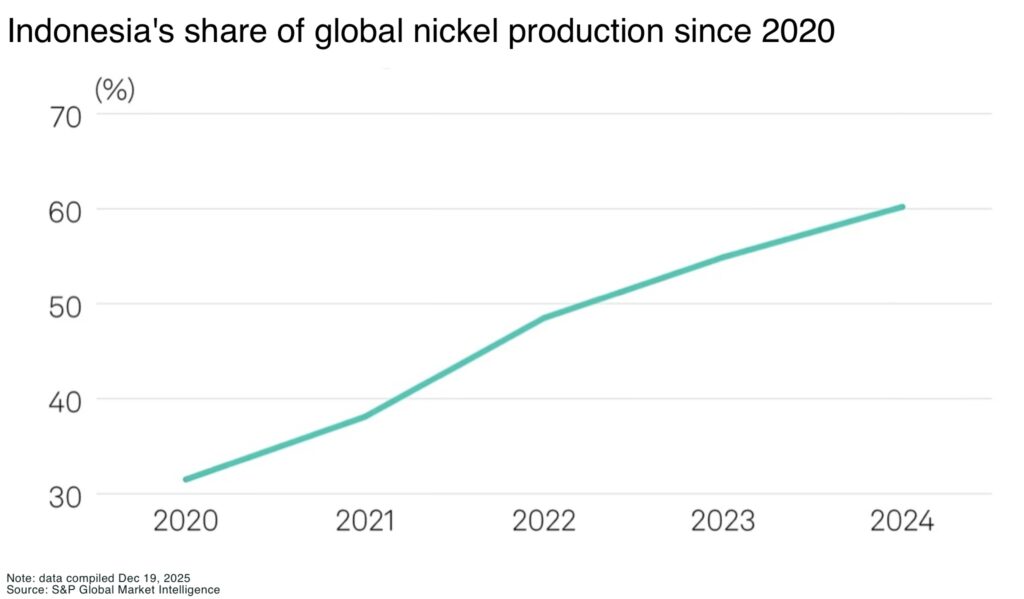
Indonesia accounted for an estimated 62% of global mined nickel production in 2024. That concentration means water availability at one industrial hub can now influence both sides of the nickel market.
The next test is duration. A short interruption may help stabilise prices. If the restrictions continue towards December, or spread across more NPI and HPAL operations, the drought will become a material challenge to Indonesia’s ability to keep expanding nickel supply.
Is a wider nickel supply crunch approaching?
The Morowali disruption matters because Indonesia’s rapid expansion has already pushed higher-cost production out of the market.
At least eight nickel operations in Australia and New Caledonia closed or suspended production during 2024 as Indonesian supply depressed prices. The resulting loss of non-Indonesian capacity has left the market increasingly dependent on one country, as examined in our analysis of Indonesia’s nickel dominance and the opportunity for Western producers.
New Western projects are not positioned to replace disrupted Indonesian production immediately. Low prices have restricted financing for nickel sulphide developments, while permitting and construction can take years. Indonesia, meanwhile, faces tighter mining quotas, declining ore grades, higher processing costs and now water shortages affecting both NPI and battery-material plants.
But, demand has not disappeared.
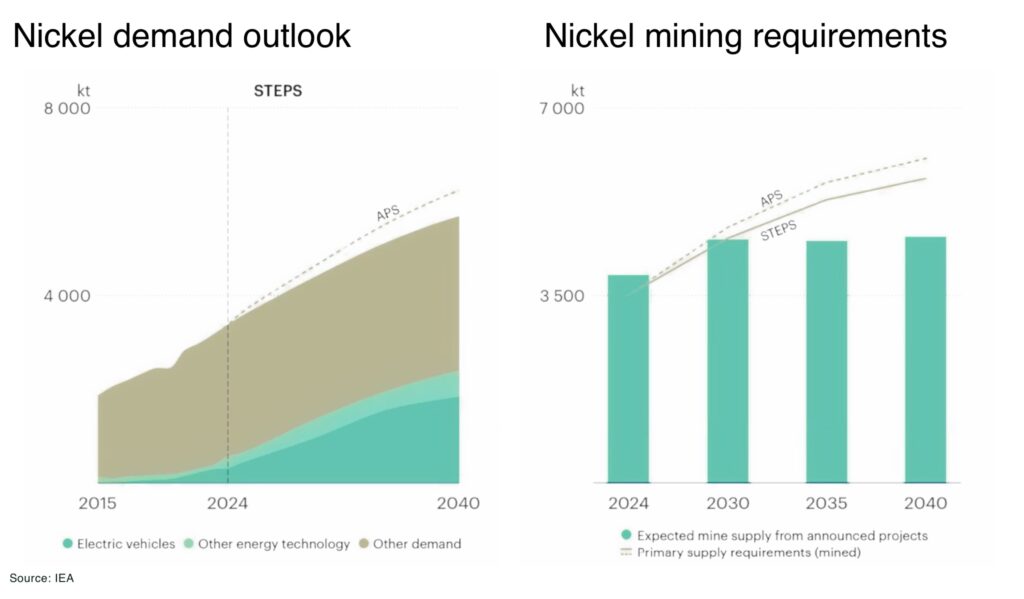
IEA scenarios cited in the analysis indicate that global nickel demand could increase by 45% to 65% by 2030, supported by stainless steel, defence applications and electric vehicles. The growing use of lithium-iron-phosphate batteries reduces part of the expected battery demand, but nickel remains essential for higher-energy-density battery chemistries, aerospace alloys and stainless steel.
This does not mean an immediate shortage is guaranteed. Visible inventories remain substantial, nickel prices are still approx 18% below their May peak and normal rainfall could allow Morowali production to recover before the end of 2026.
But the margin for further disruption is narrowing. The International Nickel Study Group’s April forecast already placed the market in a 32,000-tonne deficit during 2026, before accounting for additional production interruptions.
Conclusion
Indonesia’s concentration of nickel mining and processing once appeared to guarantee abundant supply, but the drought highlights how that concentration can also amplify disruption.